Therapy for Wellbeing
Art Therapy | EMDR | Trauma Recovery | Supervision | Training
The Therapy Approach
About the Therapy Approach
I am an integrative therapist meaning that I am trained in and use different approaches including art therapy, psychodynamic therapy, EMDR, complex trauma therapy, interpersonal neurobiology, memory reconsolidation, and, anti oppressive practice. Being trained in these different approaches are like having a tool kit that help to build an approach that's tailored to what works for each individual person.
Using these different tools helps to better focus on addressing where the root problem is stored as well as gaining a deeper level of understanding of what is affecting you, and, help to both manage and resolve your difficulties.
These therapy approaches are known as "bottom up approaches". To read more about bottom-up therapy approaches, please click here.
What is Art Therapy?
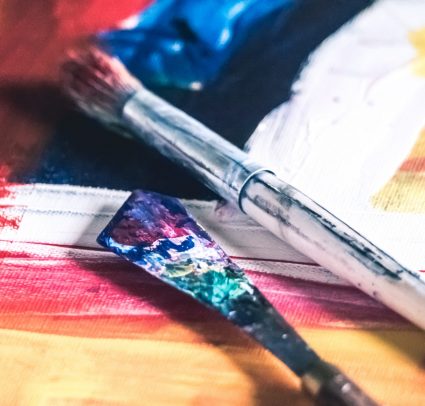
Art therapy is primarily a psychodynamic approach, meaning that the focus is on how early experiences can impact on our behaviours, thoughts, and feelings in the present.
Creating art in therapy has benefits in that it can be a way to give form to past or present experiences that are often difficult to communicate word alone. It can help provide other perspectives way to look at what's happened to gain new insights. The process of making art can create the enough distance to support someone to look to express complex emotions, to process trauma, and think about how to unpick what is heavy so that they have improve wellbeing.
The art serves as a bridge between what if felt and what is thought. The process of making art is what helps a person access more of their past stuff and create connections, so there is no need to any "good" at art as the focus is on the process of creative making rather than skill level.
Art therapy is a legally protected title in the UK, requiring a certain level of training and for the therapist to be registered with the Health and Care Professions Council (HCPC). My HCPC registration number is AS15955. To find out more about art therapy, please visit the British Association of Art Therapists website.
What is EMDR?
EMDR, or Eye Movement Desensitisation and Reprocessing, is a specialised form of psychotherapy designed to support processing of difficult experiences and issues. Originally developed to support people with PTSD, EMDR is now used for many different types of difficulties and is recommended for processing traumatic memories.
EMDR involves using bilateral stimulation through eye movements, physical tapping, or listening to sounds. This allows for all the needed parts of the brain to stay online and then for memories and distress to be fully processed. In this way, EMDR aims to remove the emotional charge of the memory and stop it from causing distress in the present.
EMDR requires specific training and specialist skills to deliver it safely. I have completed my EMDR training with Richman EMDR Training in 2023 and am registered with the EMDR Association UK. To find out more about EMDR, please visit the EMDR Association UK and Ireland website.

What is Trauma-Informed Therapy?
A trauma-informed approach is informed by psychology, neuroscience, attachment, and trauma theories. The trauma-informed model steps away from labelling people as problems and instead looks to understand how current distress and mental health issues are adaptions to what has happened earlier in their lives.
This approaches involves first understanding and working with these adaptions along with the nervous system to create a felt sense of safety to facilitate the change a person wants. It aims to support a person to gain a better understanding of what is interfering with daily life and discover new ways of dealing with this.
I use Judith Herman's 3 phases model which starts with stabilising any difficulties (e.g. anxiety, flashbacks, panic attacks, depression, sleep issues, etc.) by building up emotional regulation strategies and creating a felt level of safety. The focus then moves to processing root cause of any issues and supporting a person to take care of their needs, environment, and relationships.
To find out more about trauma informed practice, please click here to visit for more information about the Power Threat Meaning Framework or the Scottish Government website

Getting started
I offer a free 20-minute phone or zoom consultation appointment to see if I am the right therapist to support you.
I aim to respond within two working days and will check the practicalities work for you first.
I will then offer a day or so following a consultation for you to reflect on whether it feels like a good fit. If you wish to go ahead, I'll send out the documents to get started and set a start date with you.
What to expect
If you would like to start working together, your first few appointments are used to gain an understanding of the issues you would like to address and an understanding of your life story.
Together we would then decide on how best way to support you with these issues.
To give some ideas of what this may look like in practice, sessions might focus on things such as:
• creating and practising coping strategies
• building a greater understanding of issues and how to work with these
• reflective conversations on your thoughts, feelings, and life experiences
• goal setting and action planning
• working with protective mechanisms and processing past experiences to create change
You are the expert
Everybody’s experiences and difficulties are unique and therefore so is the pace and length of the therapy.
I believe that each of my client's is the expert in their own life and so they are best placed to decide what is right for then. I may offer suggestions of ideas, perspectives, strategies to practice, or exercises to explore issues, but it is always the your choice as to what you wish to focus on and how you wish to do so in your therapy sessions.
Lizzy Pittock is an inclusive practitioner and welcomes people of all ages from all communities, ethnicities, LGBTQIA+, and people with disabilities.
©2022 Elizabeth Pittock
powered by WebHealer